Gable roofs, with their distinctive triangular shape, have been a popular choice for homeowners across the United States. Their aesthetic appeal, combined with their functional benefits, makes them a sought-after roofing option. In this guide, we delve deep into the world of gable roofs, discussing their structure, advantages, and potential drawbacks.
Understanding the Gable Roof Structure
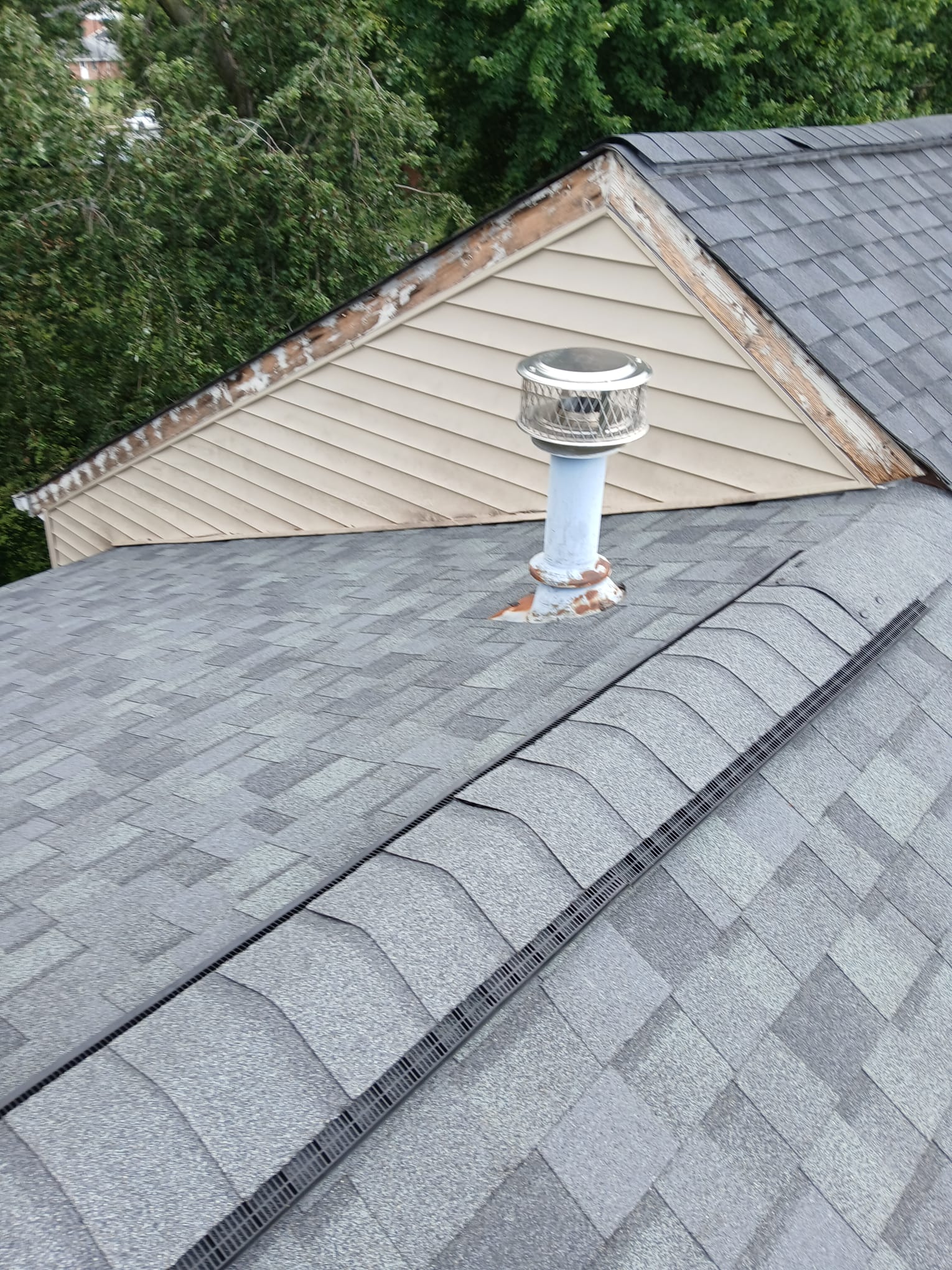
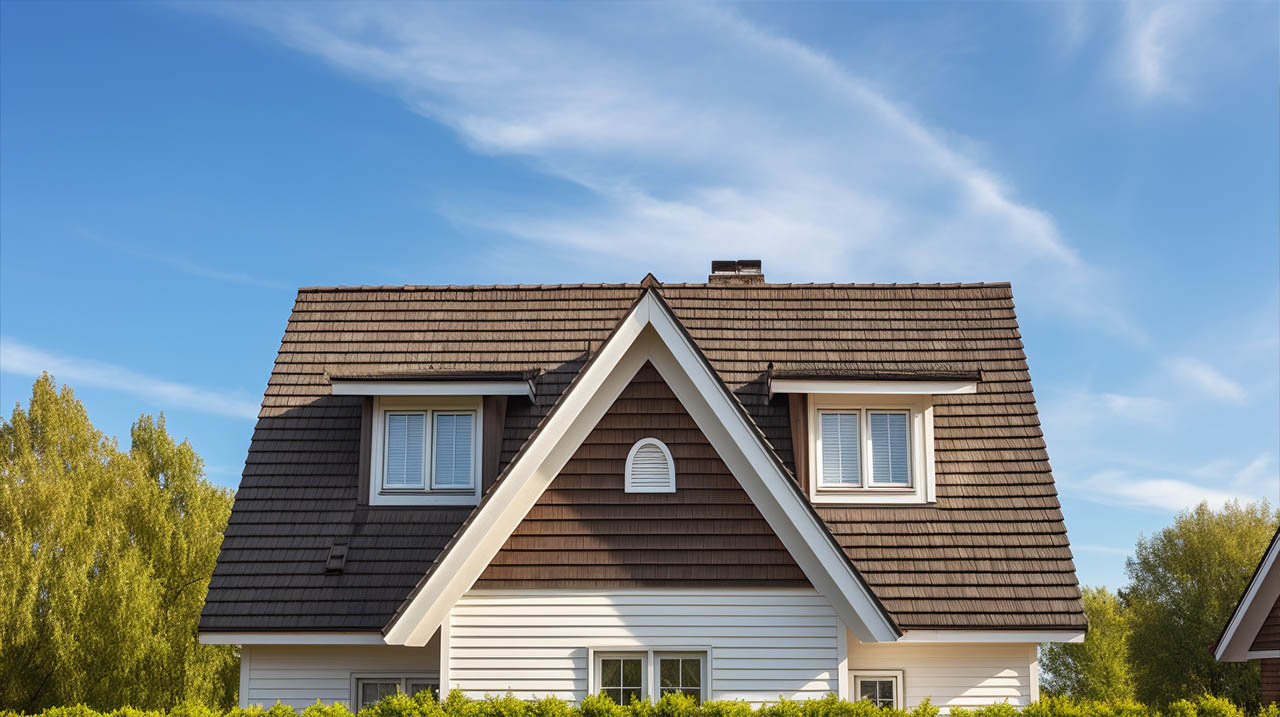
Gable roofs, often referred to as pitched or peaked roofs, are characterized by two sloping sides that meet at a central ridge, forming a triangle. This triangular section is the gable. The gable can vary in size and may not always be symmetrical, depending on the design and size of the building. Some structures even feature multiple gables.
The roof ridge, or the highest point of the roof, is a crucial component of the gable roof. It runs the length of the roof and should align with the building’s exterior walls. The ridge board, located at this peak, connects the common rafters that slope downwards. These rafters play a pivotal role in supporting the roof’s structure.
Key Advantages of Gable Roofs
1. Efficient Drainage System
The sloping design of gable roofs ensures effective drainage. Rainwater and snow easily slide off, reducing the risk of water accumulation and potential damage.
2. Cost-Effective Choice
Given their straightforward design, gable roofs often require fewer materials and labor, making them a cost-effective option for homeowners.
3. Enhanced Ventilation and Space
Gable roofs provide better ventilation for homes, ensuring a comfortable living environment. Additionally, they offer increased attic space, which can be utilized for storage or other purposes.
4. Simplicity in Construction
The design of gable roofs is relatively simple, which can expedite the construction or repair process compared to more complex roofing styles.
Potential Drawbacks to Consider
1. Vulnerability to Wind Damage
Gable roofs, due to their design, can be susceptible to damage in areas with high winds. The roof’s peak can catch wind, leading to potential peeling or lifting over time.
2. Limited Attic Space Utilization
While gable roofs offer additional attic space, the steep slopes can limit its functional use. For instance, it might not be feasible to convert the attic into a full-fledged living space.
3. Increased Maintenance
In wind-prone areas, gable roofs might require more frequent repairs, offsetting the initial cost benefits.
Making the Right Choice with Kanga Roof
Selecting the right roofing style is crucial for the longevity and aesthetics of your home. At Kanga Roof, we understand the intricacies of roofing in Columbia MD. Whether you’re considering a gable roof or exploring other options, our team is here to guide you. With years of experience as a leading roofing company in Columbia MD, we offer expert advice tailored to your needs.
If you’re looking for a roof repair service in Columbia MD or contemplating a complete roof replacement in Columbia MD, Kanga Roof is your trusted partner. Reach out to us for a comprehensive consultation and make an informed decision for your home.